How Insurance Claims Work

April 11, 2024

How the Insurance Claim Process Works from Incident to Settlement

Navigating the complexities of insurance claims can be daunting, but understanding how the process works can empower you to navigate it with confidence. In this blog post, we'll take a closer look at the key stages of the insurance claims process, from reporting the incident to reaching a settlement with your insurance company. By demystifying the process, we hope to provide clarity and insight into how insurance claims work and how you can navigate them effectively.

Reporting the Incident

The insurance claims process typically begins with reporting the incident to your insurance company as soon as possible. Whether it's property damage, theft, or personal injury, prompt reporting is essential to initiating the claims process. This stage involves providing detailed information about the incident, including the date, time, and location, as well as any relevant documentation or evidence to support your claim.


Investigation and Assessment

Once the incident is reported, the insurance company will conduct an investigation to assess the validity of the claim. This may involve gathering additional information, conducting interviews, and inspecting the property or site of the incident. During this stage, the insurance company will determine the extent of coverage under the policy and evaluate the damages or losses incurred.


Document & Evidence

Documentation plays a crucial role in the insurance claims process. Policyholders are typically required to provide documentation and evidence to support their claims, including photographs, videos, receipts, and witness statements. Thorough documentation helps substantiate the claim and provides evidence for negotiations with the insurance company.


Evaluation & Negotiation

Once the investigation is complete and all documentation has been submitted, the insurance company will evaluate the claim and make a determination regarding coverage and compensation. This stage often involves negotiation between the policyholder and the insurance company to reach a fair and equitable settlement. Public adjusters can provide valuable assistance during this stage by advocating for the policyholder's interests and maximizing the value of the claim.


Settlement and Resolution

Once an agreement is reached, the insurance company will issue a settlement payment to the policyholder. The settlement amount may cover the cost of repairs, replacement of damaged property, medical expenses, or other losses covered under the policy. Upon receiving the settlement payment, the policyholder can proceed with the necessary repairs or other actions to resolve the claim.


Understanding how insurance claims work is essential for navigating the process effectively and ensuring a successful outcome. By familiarizing yourself with the key stages of the claims process and seeking assistance from professionals when needed, you can maximize your chances of securing a fair and equitable settlement from your insurance company.


Schedule a Free Consultation With 2nd Look Adjusters!

Ready to navigate the insurance claims process with confidence? Contact us today to schedule a consultation with Jerry at 2nd Look  Adjusters. Let us help you maximize your insurance claim potential and achieve the settlement you deserve. Simply fill out the form below to get started.


Schedule Now

You might also like
By Jerry Petracek March 17, 2026
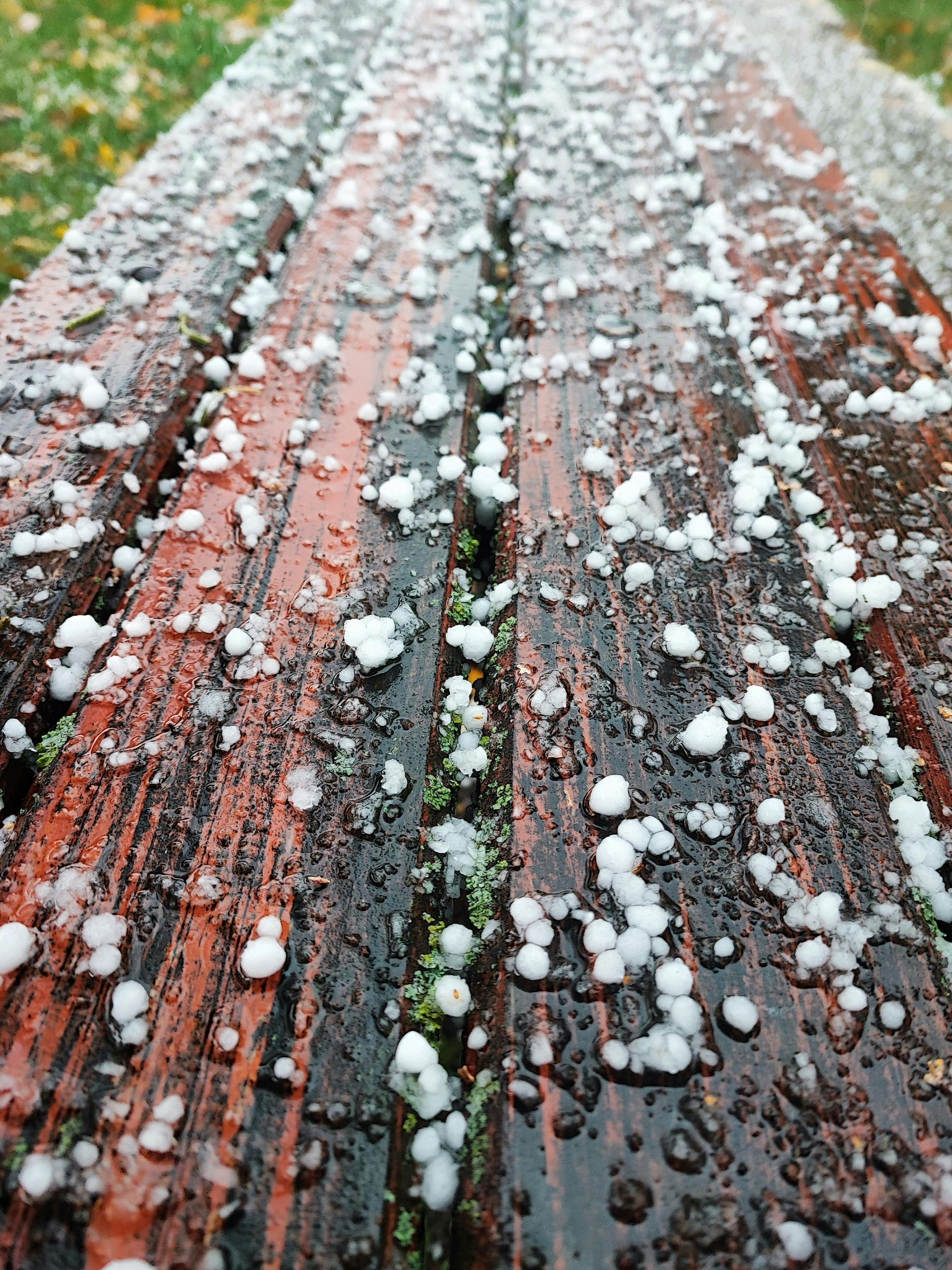
Wind and Hail Damage From the Recent Storm in Bolingbrook, Woodridge, Plainfield & Surrounding Communities A powerful storm system moved through northern Illinois in March 2026, bringing destructive winds, giant hail, and severe storm damage across the western and southern Chicago suburbs. Communities including Woodridge, Darien, Bolingbrook, Romeoville, Plainfield, Plattville, Kankakee, Stickney, and Oak Park were directly in the path of the storm. Storm spotters and weather officials reported hail measuring between 3 and nearly 5 inches across parts of DuPage and Will Counties, while areas near Kankakee saw hail approaching 6 inches, potentially breaking the Illinois state record. When storms produce hail this large along with strong winds, the result is often widespread property damage, especially to roofs, siding, gutters, windows, and HVAC equipment. For many homeowners, the damage may not be obvious immediately after the storm. What This Size Hail Can Do to Your Home Hailstones measuring several inches in diameter can cause serious damage to a property in a matter of minutes. Even if a roof appears intact from the ground, the impact from hail and wind may have already weakened important parts of the roofing system. Common storm damage after events like this includes: Roof Damage Large hail can crack shingles, remove protective granules, and shorten the life of roofing materials. Strong winds can also lift or loosen shingles, exposing the roof to future leaks. Siding Damage Vinyl and aluminum siding often show dents, cracks, or punctures after hailstorms. Wind-driven hail can strike multiple sides of a home depending on the direction of the storm. Gutters, Flashing, and Roof Vents Metal surfaces such as gutters, flashing, and roof vents frequently show visible dents after hailstorms. These impacts can affect drainage and roof performance. Window and Exterior Damage Large hail and flying debris can damage window trim, crack seals, or damage outdoor fixtures around the home. Hidden Water Damage When roofing materials are compromised, water intrusion can develop weeks later. This can lead to ceiling stains, insulation damage, mold growth, and costly interior repairs. Because much of this damage occurs on roofs or elevated areas, many homeowners do not realize their property was affected until well after the storm. Why Storm Damage Is Often Missed by Insurance Companies After a large regional storm like the one that recently impacted Bolingbrook, Woodridge, Plainfield, Darien, Romeoville, Plattville, Kankakee, Stickney, and Oak Park, insurance companies often receive a large number of claims at once. During these high-volume events, homeowners sometimes find that certain storm damage was overlooked, repair estimates were underestimated, or damage was classified as normal wear instead of storm-related. Because hail damage can be subtle without a detailed inspection, roof damage is one of the most commonly missed issues after major storms. How 2nd Look Adjusters Help Homeowners After Storm Damage When a severe storm hits, homeowners are often unsure where to start with the insurance claim process. 2nd Look Adjusters represents homeowners, not the insurance company. As a licensed public adjuster, 2nd Look Adjusters can inspect storm damage, document the full scope of loss, and handle the insurance claim process on behalf of the property owner. This includes conducting a detailed inspection for wind and hail damage, documenting damage to roofs, siding, gutters, and other property components, preparing and filing the insurance claim, reviewing insurance estimates to ensure all damage is accounted for, and negotiating with the insurance company to help secure a fair settlement. Instead of navigating the claims process alone, homeowners can have a professional advocate working on their behalf. Storm Damage Inspections in Bolingbrook, Woodridge, Plainfield & Nearby Areas Following a storm with hail of this size, homes and buildings throughout the area can have storm damage that is not immediately visible. If your property is located in Woodridge, Darien, Bolingbrook, Romeoville, Plainfield, Plattville, Kankakee, Stickney, or Oak Park, it may be worth having your property inspected for wind and hail damage. 2nd Look Adjusters helps homeowners throughout the region identify storm damage, document insurance claims, and negotiate with insurance companies to help ensure repairs are properly covered. If your home may have been affected by the recent storm, contact 2nd Look Adjusters by calling 224-217-2111 to have your property inspected and your insurance claim handled by a licensed public adjuster who works for you, not the insurance company.
By Jerry Petracek March 17, 2026
Flooding and Water Damage After the Recent Storm in Bolingbrook, Woodridge, Plainfield & Surrounding Communities A powerful storm system moved through northern Illinois in March 2026, bringing heavy rainfall, destructive winds, and severe storm damage across the western and southern Chicago suburbs. Communities including Woodridge, Darien, Bolingbrook, Romeoville, Plainfield, Plattville, Kankakee, Stickney, and Oak Park experienced intense storm activity that left many homeowners dealing with standing water, flooded basements, and water damage to their homes and property. When storms produce large amounts of rainfall in a short period of time, drainage systems can quickly become overwhelmed. Streets, yards, and foundations may take on water faster than it can properly drain away, increasing the risk of flooding and structural water damage. For many homeowners, water damage from a storm may not be immediately obvious, especially if moisture has entered crawl spaces, foundations, or interior walls. How Heavy Storms Cause Flooding and Water Damage Storm systems that bring intense rainfall can impact homes in several ways. Even properties that have never experienced flooding before may be vulnerable when rainfall totals exceed the capacity of local drainage systems. Some of the most common types of storm-related water damage include: Basement Flooding Heavy rainfall can cause water to enter basements through foundation cracks, window wells, sump pump failures, or overwhelmed drainage systems. Standing water in basements can damage flooring, drywall, insulation, and personal property. Foundation and Structural Water Intrusion Excessive rainfall can saturate the soil surrounding a home’s foundation, allowing water to seep through small cracks or openings in the structure. Roof and Attic Leaks Wind-driven rain may enter through damaged roofing materials, flashing, or vents, allowing water to reach attic spaces and ceilings. Exterior Drainage Issues Blocked gutters, damaged downspouts, or poor drainage can cause rainwater to collect around the home instead of flowing safely away from the structure. Interior Water Damage Water intrusion can lead to ceiling stains, warped flooring, drywall damage, mold growth, and other costly interior repairs. Because water damage can spread behind walls and beneath flooring, the full extent of the damage is not always immediately visible after a storm. Why Storm-Related Water Damage Is Sometimes Underestimated After a major storm event like the one that recently impacted Bolingbrook, Woodridge, Plainfield, Darien, Romeoville, Plattville, Kankakee, Stickney, and Oak Park, insurance companies often receive a large number of claims across the same region. During these high-volume situations, homeowners sometimes find that certain damage was overlooked, repair estimates were underestimated, or parts of the claim were denied due to questions about the cause of the water intrusion. Water damage claims can be particularly complex because policies may treat storm damage, roof leaks, drainage issues, and flooding differently depending on the circumstances. For this reason, it is important to ensure that storm-related water damage is properly documented and evaluated during the insurance claim process. How 2nd Look Adjusters Helps Homeowners After Storm-Related Flooding When homes experience flooding or water damage after a storm, the insurance claim process can quickly become complicated. Determining the cause of the damage and documenting the full scope of repairs is critical to receiving a fair settlement. 2nd Look Adjusters represents homeowners, not the insurance company. As a licensed public adjuster, 2nd Look Adjusters can inspect storm-related water damage, document the full extent of the loss, and handle the insurance claim process on behalf of the property owner. This includes: Inspecting the property for storm-related water damage Documenting damage to basements, foundations, roofing, and interior areas Preparing and filing the insurance claim Reviewing insurance estimates to ensure all damage is included Negotiating with the insurance company to help secure a fair settlement Instead of trying to manage the claims process alone, homeowners can have a professional advocate working on their behalf. Storm Damage and Flooding Inspections in Bolingbrook, Woodridge, Plainfield & Nearby Areas Following heavy rainfall from a storm like the one that recently moved through the area, homes and buildings may experience water damage that is not immediately visible. If your property is located in Woodridge, Darien, Bolingb rook, Romeoville, Plainfield, Plattville, Kankakee, Stickney, or Oak Park, it may be worth having your property inspected for storm-related flooding or water intrusion. 2nd Look Adjusters helps homeowners throughout the region identify storm damage, document insurance claims, and negotiate with insurance companies to help ensure repairs are properly covered. If your home may have experienced flooding or water damage from the recent storm, contact 2nd Look Adjusters by calling 224-217-2117 to have your property inspected and your insurance claim handled by a licensed public adjuster who works for you, not the insurance company.
By Jerry Petracek March 17, 2026
A powerful supercell storm system moved through northern Illinois in March 2026, producing multiple tornadoes, destructive winds, and record-breaking hail across parts of the region. One of the most devastating tornadoes touched down in Kankakee County, causing severe destruction as it moved through southern Kankakee, Aroma Park, Sun River Terrace, Hopkins Park, and nearby communities before crossing into Indiana. The National Weather Service later confirmed the tornado reached EF-3 strength with winds approaching 150 miles per hour, strong enough to destroy homes, tear roofs from buildings, uproot large trees, and cause widespread structural damage. Communities including Kankakee, Bradley, Bourbonnais, Aroma Park, Sun River Terrace, Hopkins Park, Grant Park, Momence, and St. Anne experienced damage ranging from destroyed buildings and downed power lines to severe roof and structural damage. For many residents, the aftermath of the storm has been devastating. Homes have been heavily damaged, some completely destroyed, and families throughout the region are now facing the difficult process of rebuilding and recovering from the storm. When tornadoes of this strength move through populated areas, the damage can happen in seconds. Entire structures may be compromised, roofs and siding can be ripped away, and debris can impact nearby homes and businesses. For many property owners, the full extent of tornado damage may not be immediately obvious after the storm, especially when structural damage is involved. How Tornadoes Damage Homes and Property Tornadoes combine extreme wind speeds, flying debris, and sudden pressure changes, which can cause extensive structural damage to homes and buildings. Some of the most common types of tornado damage include: Roof and Structural Damage High winds can remove shingles, tear off roofing materials, damage framing, and expose the interior of a home to rain and debris. Siding and Exterior Damage Flying debris and powerful wind gusts can puncture siding, break windows, and damage exterior walls. Tree and Debris Impact Damage Falling trees, branches, and airborne debris frequently strike homes, vehicles, and surrounding structures during tornadoes. Foundation and Structural Shifting Extreme winds can place tremendous stress on a building’s structure and foundation, sometimes causing hidden structural issues. Interior Water and Storm Damage When roofs, windows, or exterior walls are compromised, rain can enter the home and cause additional interior damage. In some cases, the damage is so severe that a home may be considered a total loss, meaning the structure is no longer safe or feasible to repair. Situations like this can be overwhelming for homeowners and require careful documentation to ensure the insurance claim reflects the true value of the property and everything that was lost. Why Tornado Damage Is Sometimes Underestimated in Insurance Claims After a disaster like the tornado that struck Kankakee County and surrounding communities, insurance companies often receive a large number of claims at once. During these situations, property owners sometimes discover that certain damage was overlooked, repair estimates were underestimated, or the claim did not fully reflect the true scope of repairs needed. Tornado damage can be complex because wind damage, debris impact, structural damage, and water intrusion often occur at the same time. When homes are severely damaged or destroyed, the insurance claim must account for the structure, personal belongings, debris removal, and the cost to rebuild. Ensuring that all storm-related damage is properly documented is critical during the insurance claim process. How 2nd Look Adjusters Helps Homeowners After Tornado Damage Recovering after a tornado can be incredibly difficult, especially when families are dealing with major property damage or the loss of their homes. 2nd Look Adjusters represents homeowners, not the insurance company. As a licensed public adjuster, 2nd Look Adjusters can inspect tornado damage, document the full extent of the loss, and handle the insurance claim process on behalf of the property owner. This includes: Inspecting the property for tornado and wind damage Documenting structural damage to roofs, siding, and exterior components Evaluating debris impact and interior storm damage Assisting with major structural damage and total loss claims Preparing and filing the insurance claim Reviewing insurance estimates to ensure all damage is included Negotiating with the insurance company to help secure a fair settlement Instead of navigating the insurance process alone during an already difficult time, homeowners can have a professional advocate working on their behalf. Tornado Damage Inspections in Kankakee County & Nearby Communities Following a tornado of this strength, homes and buildings throughout the area may have serious structural damage that is not immediately visible. If your property is located in Kankakee, Bradley, Bourbonnais, Aroma Park, Sun River Terrace, Hopkins Park, Grant Park, Momence, St. Anne, or nearby communities, it may be worth having your property inspected for tornado-related damage. 2nd Look Adjusters helps homeowners throughout Illinois identify storm damage, document insurance claims, and negotiate with insurance companies to help ensure repairs are properly covered. If your home or property was affected by the recent tornado, 2nd Look Adjusters can help review the damage, assist with the insurance claim process, and provide guidance whether the damage involves repairs or a total loss. To learn more or to discuss your situation, contact 2nd Look Adjusters by calling 224-217-2111 and speak with a licensed public adjuster who works for you, not the insurance company.-